When dealing with biological issues in indoor spaces or workplaces, choosing the right type of sample is crucial. Not every sample answers the same question. Those wishing to determine if visible growth is present usually require a different investigation than someone looking to assess unclear contamination of the indoor air.
Which investigation is appropriate and when?
The validity of an investigation always depends on whether the sample taken matches the question at hand. While an unsuitable sample can still be analyzed, it may not provide a reliable answer to the actual problem. Therefore, it should be clarified in advance whether the focus is on visible growth, odors, allergens, bacterial contamination, or an overall assessment of the room.
What material samples can achieve
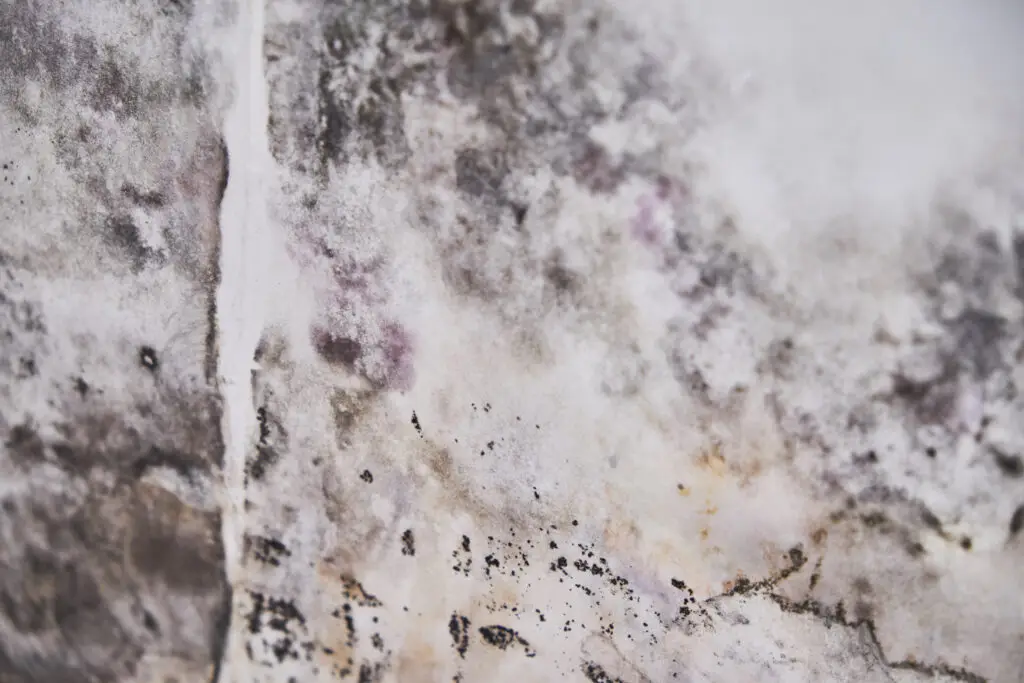
Material samples are particularly useful when conspicuous areas need to be examined directly. They help to more accurately assess visible deposits, suspicious surfaces, or contaminated building materials. Especially in the case of locally identifiable damage, this is often the most direct and informative method.
- Material samples are particularly suitable for visible abnormalities.
- Dust samples can reflect long-term contamination in a room.
- Air samples are snapshots and require professional interpretation.
- The correct sample depends on the type of damage and the objective of the investigation.
- Advance coordination helps to reliably select the appropriate method.
For a reliable assessment, it is always crucial that the investigation matches the specific question and that the results are professionally interpreted.
When dust samples can be useful
Dust samples can provide evidence of biological contamination that has accumulated in an environment over a longer period. They are primarily of interest when no clear single source is present or when questions regarding allergens and biological residues in the room need to be clarified.
What air samples can show
Air samples serve to assess the indoor air at a specific point in time. They can provide indications of abnormalities, but must be taken professionally and interpreted correctly. The sampling method, air volume, and comparative values play an important role in a reliable assessment.
How to make the right decision
The choice between air, material, and dust samples should always depend on the specific situation. Visible growth, unclear odors, health complaints, moisture damage, or cases requiring documentation each lead to different requirements for the investigation.
Conclusion
Which sample is appropriate for suspected mold or biological contamination? BMA-Labor explains the differences between air, material, and dust samples in a clear and practical way.
Frequently Asked Questions
The following answers provide an initial professional overview. Which investigation is appropriate in an individual case should always be coordinated based on the specific question.
Can I simply decide for myself which sample to send in?
In principle, samples can be submitted, but prior coordination is advisable. This allows for clarification on which type of sample best answers the actual question.
Are air samples always better than material samples?
No. Air samples are not automatically more informative. In the case of visible growth or localized abnormalities, material samples can often be more direct and targeted.
What are dust samples particularly suitable for?
Dust samples are particularly helpful when contamination has accumulated in the room over a long period or when the focus is on questions regarding allergens and biological residues.